
How she helps · Kharghar
Autism spectrum disorder
Autism changes how a child takes in the world: sounds, touch, people and routines.
Every autistic child is different. Occupational therapy helps your child feel calmer and do more of everyday life on their own.
Signs
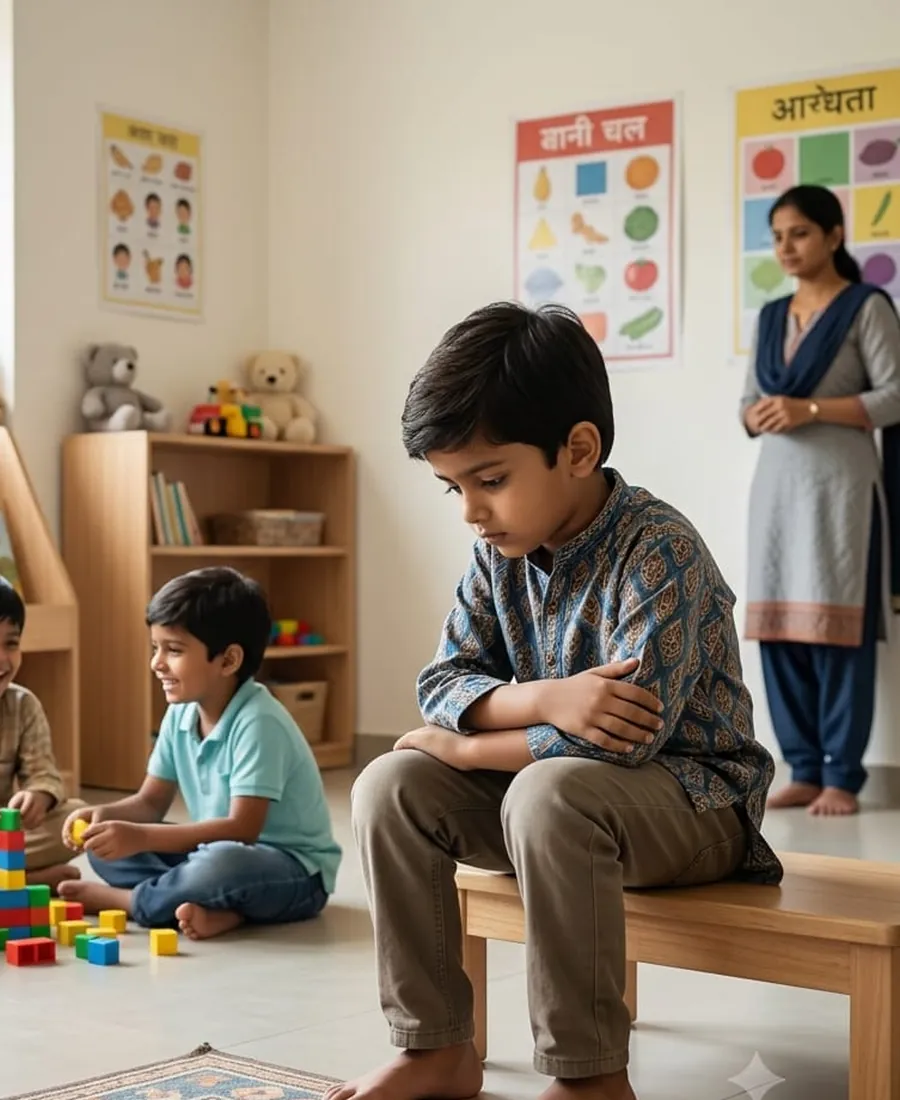
Signs parents often notice
- Hand-flapping and repeated actions
- Fear of loud noises
- Trouble with social interaction
- Staring at moving objects
- Avoids eye contact
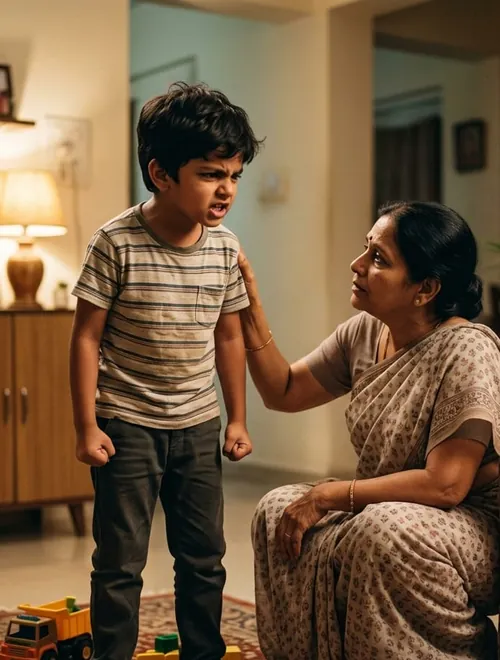
- Gets very upset when a routine changes
- Lines up toys instead of playing with them
Every child is different. Your child may show some of these and not others. Only an assessment can tell.
How therapy helps
What you work on together
Goals are set with you after the first assessment. These are the ones families often choose.
Calmer with sounds, touch and crowds
Sensory play helps your child cope with noise, clothes, haircuts and busy places.
Playing and taking turns
Step by step, your child learns to share play with you and with other children.
Everyday skills
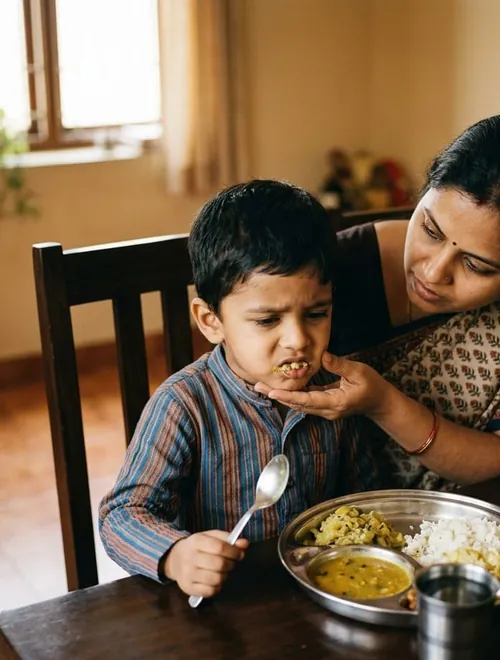
Dressing, eating, brushing teeth and toilet routines, practised until they feel easy.
Sitting and paying attention
Longer focus at the table, so your child is ready for school work.
Handling big feelings
Simple ways to calm down, for your child and for you.
Your first visit
What to expect
Say hello
Send a WhatsApp message or call. Pick a time that suits you.
First assessment
Dr. Bhamini watches your child play and move, and talks with you about home and school. Bring any school or medical reports you have.
Goals and play
You agree clear goals as a team. Sessions are play-based, with simple activities to do at home.
The 11 therapies she uses
- Play-based therapy
- Sensory integration therapy
- Remedial education
- Cognitive behavioural therapy (CBT)
- Applied behaviour analysis (ABA)
- ADL training
- Brain Gym
- Mindfulness-based therapy
- Virtual reality training
- Group therapy
- Counselling
The same 11 therapies are used for every concern. She chooses what fits your child.
Questions
Parents often ask
Can therapy cure autism?
No. Autism is not an illness to cure. Therapy helps your child with everyday skills and feeling calm, so daily life gets easier for the whole family.
When should we start?
As soon as you are worried. Early help makes the biggest difference.
Do we need a diagnosis first?
No. If you're worried, book an assessment and ask. Many families are also sent by their paediatrician or school.
What does it cost?
The first visit (assessment) is ₹1,200. Follow-up sessions are ₹1,000 each.
Worried about your child?
Send a WhatsApp message. Dr. Bhamini will tell you honestly what she sees, and how therapy can help.
Other concerns
She also helps with

Visit
Find the clinic
Closed Sunday